RABAT, MOROCCO
8 MIN READ
How to Build a Portfolio That Gets Clients in 2026



• get design clients
• case studies
• freelance portfolio
• personal brand
If your portfolio gets compliments but no inquiries, the problem may not be your work. The portfolio may be optimized for other designers instead of potential clients.
Start with a clear positioning statement
Visitors should understand what you do within seconds. Your name, role, specialties and type of work should not require scrolling through five experimental sections.
You can still have personality. Clarity simply gives the visitor a frame for interpreting the work.
Show fewer, stronger projects
Five strong projects are usually more convincing than twenty mixed-quality projects. Curate around the type of work you want next.
If you want product-design clients, give product work more space. If you want branding projects, make the identity process visible. Your portfolio trains the market on what to hire you for.
Turn projects into case studies
A case study should explain context, challenge, role, approach, key decisions and result. Even when you cannot publish confidential metrics, you can explain the reasoning behind the work.
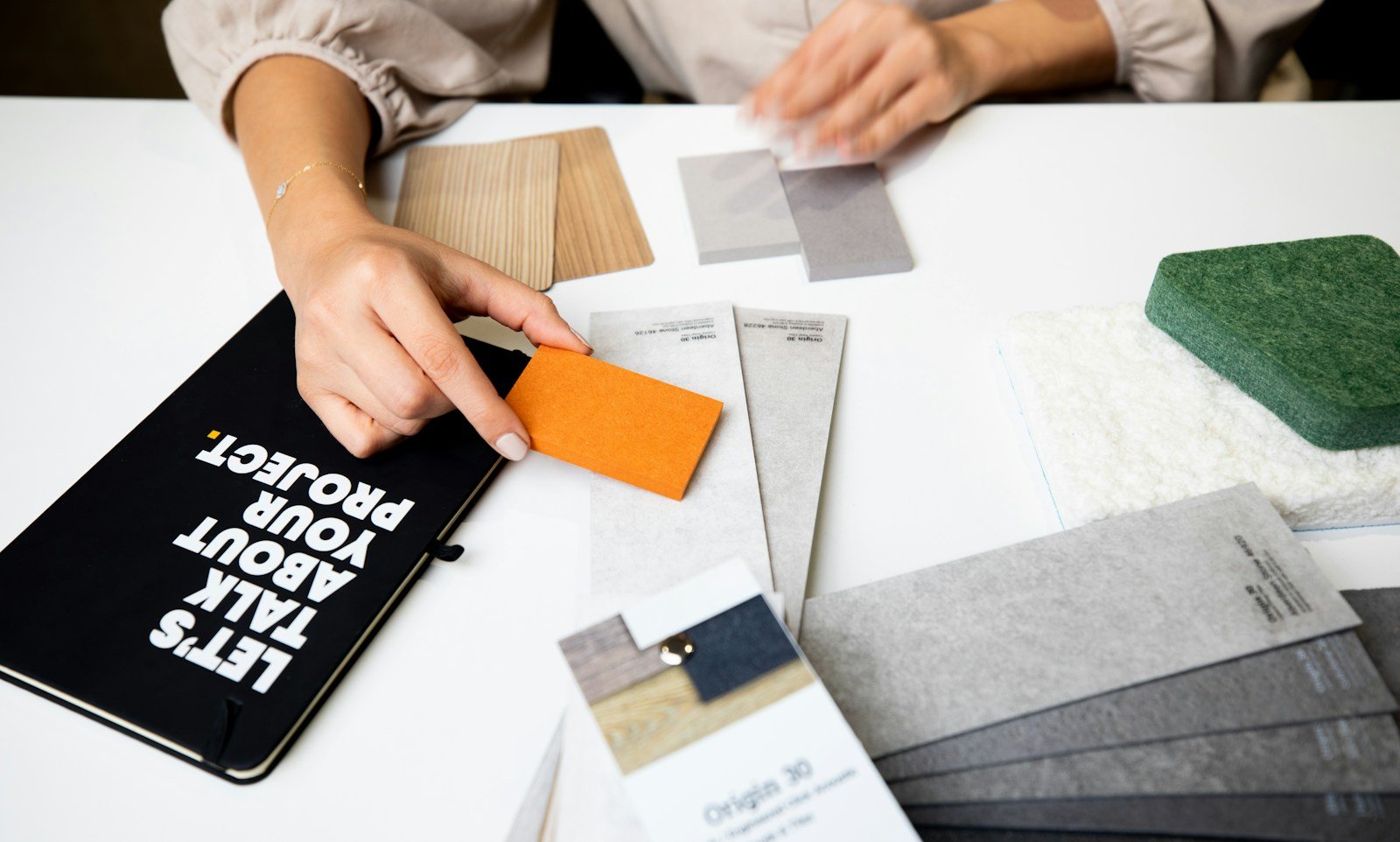
Use mockups carefully
Mockups help people imagine the design in context, but ten beautiful mockups cannot replace explaining the actual design system or product logic. Balance presentation with evidence.
Make your contact path obvious
Do not make interested clients search for your email. Use a clear contact page and calls to action after important projects. Explain the type of work you are available for.
Write articles around the problems your clients search
A portfolio is usually discovered by people who already know your name. Content can bring in people who are still researching a problem—website costs, branding decisions, platform choices or hiring questions. That turns the portfolio into an acquisition channel rather than a static gallery.
Improve trust
- Use your real name and professional photo where appropriate.
- Show recognizable clients only when you have permission.
- Add testimonials that explain the outcome, not generic praise.
- Keep project dates and roles accurate.
- Link to relevant professional profiles.
Measure what works
Use Search Console and analytics to understand what pages bring visitors, which projects people open, and where inquiries originate. Then improve based on behavior instead of personal preference alone.
You can see how I structure projects on my Work page, and if you are building a digital product, read How to Choose a UI/UX Designer in Morocco.
Related guides: Start freelancing in Morocco · Logo & brand identity cost in Morocco